ACTS 9 — THE DAMASCUS PATTERN
SEGMENT 1: Acts 9:1–19 — When God Interrupts Your Momentum
Key Teaching Points
Saul breathes threats, showing how zeal without truth becomes dangerous.
God is not intimidated by a life moving in the wrong direction.
The blinding light is mercy through disruption.
Humbling precedes revelation.
Jesus identifies Himself with His people ("Why are you persecuting Me").
Conversion begins with the question, "Who are You, Lord."
Blindness becomes a doorway to dependence.
God redirects before He explains.
Ananias becomes the agent of healing and identity.
"Brother Saul" restores belonging before behavior changes.
Scales fall through obedience, community, and surrender.
Practical Steps
Identify the momentum of your life.
Invite interruption from God.
Ask, "Who are You, Lord."
Accept seasons of blindness as preparation.
Let others lead you.
Say yes to uncomfortable assignments.
Speak identity into others.
Rise and walk in new obedience.
SEGMENT 2: The Anatomy of a True Conversion
Key Teaching Points
Conversion is collision followed by reconstruction.
Salvation is instant; understanding is gradual.
God dismantles false identity before building new identity.
The three-day darkness is detox, not punishment.
Repentance is internal turning toward truth.
Transformation requires community, not isolation.
Scales fall where surrender meets fellowship.
Baptism is allegiance to a new life, not improvement of the old.
Practical Steps
Embrace the collapse of old certainty.
Sit in the quiet and let God reorder your inner world.
Allow God to end what cannot be redeemed.
Invite community into your healing process.
Let identity be spoken over you before you “feel” changed.
SEGMENT 3: The Ministry of Ananias, Barnabas, and the Overlooked Disciples
Key Teaching Points
God uses ordinary, unseen disciples to complete extraordinary assignments.
Ananias sees Saul according to destiny, not history.
God reveals calling to hidden servants first.
Healing often comes through human hands, not direct miracles.
Barnabas becomes the bridge between Saul and the church.
Quiet obedience shapes the future of the kingdom.
Nobody becomes Paul without an Ananias and a Barnabas.
The unnamed disciples of Damascus model faithful community.
Practical Steps
Be available to God before knowing the assignment.
See people prophetically, not historically.
Speak identity that aligns with God’s calling over them.
Become the bridge that opens doors for others.
Practice encouragement as kingdom ministry.
Value hidden obedience as much as visible impact.
SEGMENT 4: What Happens When God Interrupts a Nation
Key Teaching Points
Saul symbolizes national zeal without spiritual vision.
God interrupts nations the same way He interrupts individuals.
Collapse of certainty precedes renewal.
Cultural blindness can be mercy in disguise.
The three-day pattern applies to societies: breakdown, silence, recommissioning.
God raises Ananias-type believers for cultural healing.
The church’s role: lead the blind, not curse the blind.
Revival begins with the available, not the powerful.
National scales fall when the church obeys.
Practical Steps
Recognize signs of national blindness without fear.
Position yourself as an Ananias in a confused culture.
Lead with healing, not hostility.
Speak identity and hope into dark spaces.
Stay available for God-sized assignments that feel risky.
Expect revival through ordinary believers, not institutions.
REDEMPTIVE CALL TO CHRIST (Closing)
Final Steps
Surrender where God has interrupted.
Ask Jesus to heal, forgive, and rebuild you.
Embrace new identity and calling.
Step into community for discipleship and growth.
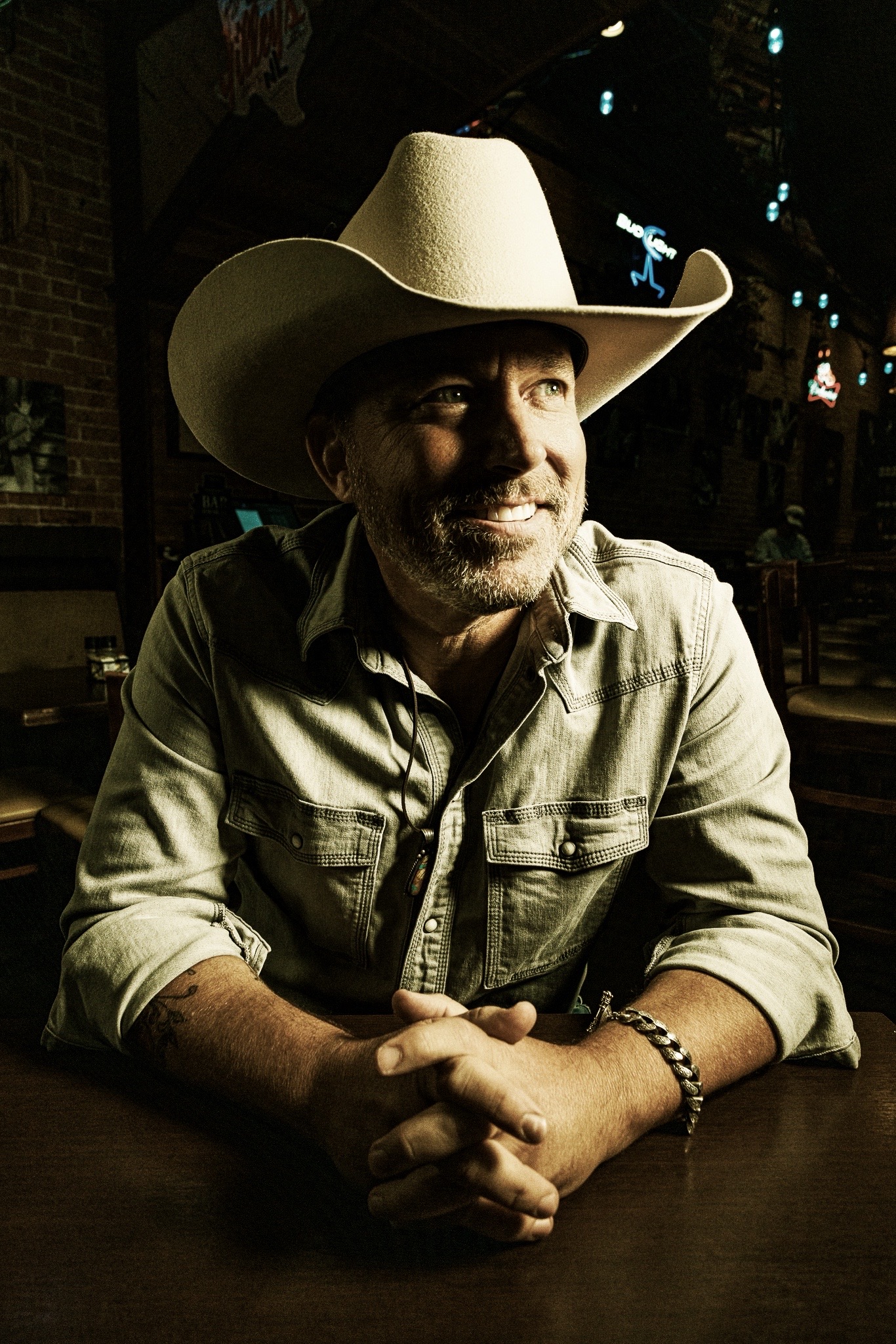
Chad Prather is a fast-talking philosopher in a cowboy hat, blending sharp wit, Southern charm, and bold truth in every message he delivers. A viral sensation known as “The Political Cowboy,” Chad has captivated millions through his no-nonsense videos, top-rated The Chad Prather Show podcast, sold-out comedy tours, and media appearances on Fox News, CNN, and BlazeTV. He’s toured internationally, released hit music albums, authored “Am I Crazy?” and “Born for Meaning.”
Whether he’s tackling politics, culture, or faith, the “Pickup Truck Pundit,” brings a rare mix of humor, heart, and conviction that fires up audiences and challenges them to live boldly. He’s a best-selling author, chart-topping musician, former Texas gubernatorial candidate, and one of America’s most engaging voices for common sense in a world gone sideways.