Growing or Coasting: Comfortable Christianity vs Real Maturity - Hebrews 5
BIG IDEA
Under the priesthood of Christ, spiritual maturity is not optional.
OPENING CONTEXT (Hebrews 1 to 4 Summary)
Jesus is greater than angels, Hebrews 1
Jesus became fully human to destroy death, Hebrews 2
Jesus is greater than Moses, Hebrews 3
Do not harden your heart in unbelief
The Word exposes the heart, Hebrews 4:12
We have a great High Priest, Hebrews 4:14 to 16
Therefore, draw near with confidence
Transition: If Jesus is our High Priest, what kind of priest is He, and what kind of people should we become?
SECTION 1
The Role of a High Priest
Hebrews 5:1 to 4
Chosen from among men
Appointed to represent men before God
Offers gifts and sacrifices for sins
Deals gently because he shares weakness
Must offer sacrifice for his own sins
Must be appointed by God, not self appointed
Key Truth: The priesthood reveals the seriousness of sin and the necessity of mediation.
SECTION 2
Jesus, The Greater High Priest
Hebrews 5:5 to 10
Christ did not exalt Himself, Hebrews 5:5
Declared Son, Psalm 2:7
Priest forever, Psalm 110:4
After the order of Melchizedek
Royal and eternal priesthood
Appointed by the Father
Key Truth: Jesus is divinely appointed, eternally qualified, and uniquely superior.
SECTION 3
Obedience Formed in Suffering
Hebrews 5:7 to 9
"In the days of His flesh"
Loud cries and tears
Prayed in suffering
Heard because of reverence
Learned obedience through suffering
Made perfect, fully qualified as Savior
Source of eternal salvation
Salvation connected to obedient faith
Key Truth: Suffering is not wasted, it forms obedience and reveals allegiance.
SECTION 4
The Warning, Spiritual Immaturity
Hebrews 5:11 to 14
Hard to explain because of dull hearing
By now you should be teachers
Need milk, not solid food
Unskilled in the word of righteousness
Spiritual infancy
Solid food is for the mature
Discernment trained by constant practice
Ability to distinguish good from evil
Key Truth: Growth requires intentional practice, not passive exposure.
APPLICATION STEPS
Step 1: Examine Your Growth
Am I growing or coasting?
Has time in church produced maturity?
Step 2: Train Discernment
Practice applying Scripture daily
Learn to define good and evil biblically
Engage the Word actively, not passively
Step 3: Embrace Obedience in Pressure
Do not interpret suffering as failure
Obey when it costs something
Trust your High Priest in hardship
Step 4: Move from Milk to Meat
Pursue deeper understanding
Take responsibility for spiritual development
Become someone who can teach and disciple others
CLOSING CHALLENGE
Do not become dull of hearing
Do not waste spiritual years
Lean into Christ, your eternal High Priest
Refuse spiritual stagnation
Grow up under His priesthood
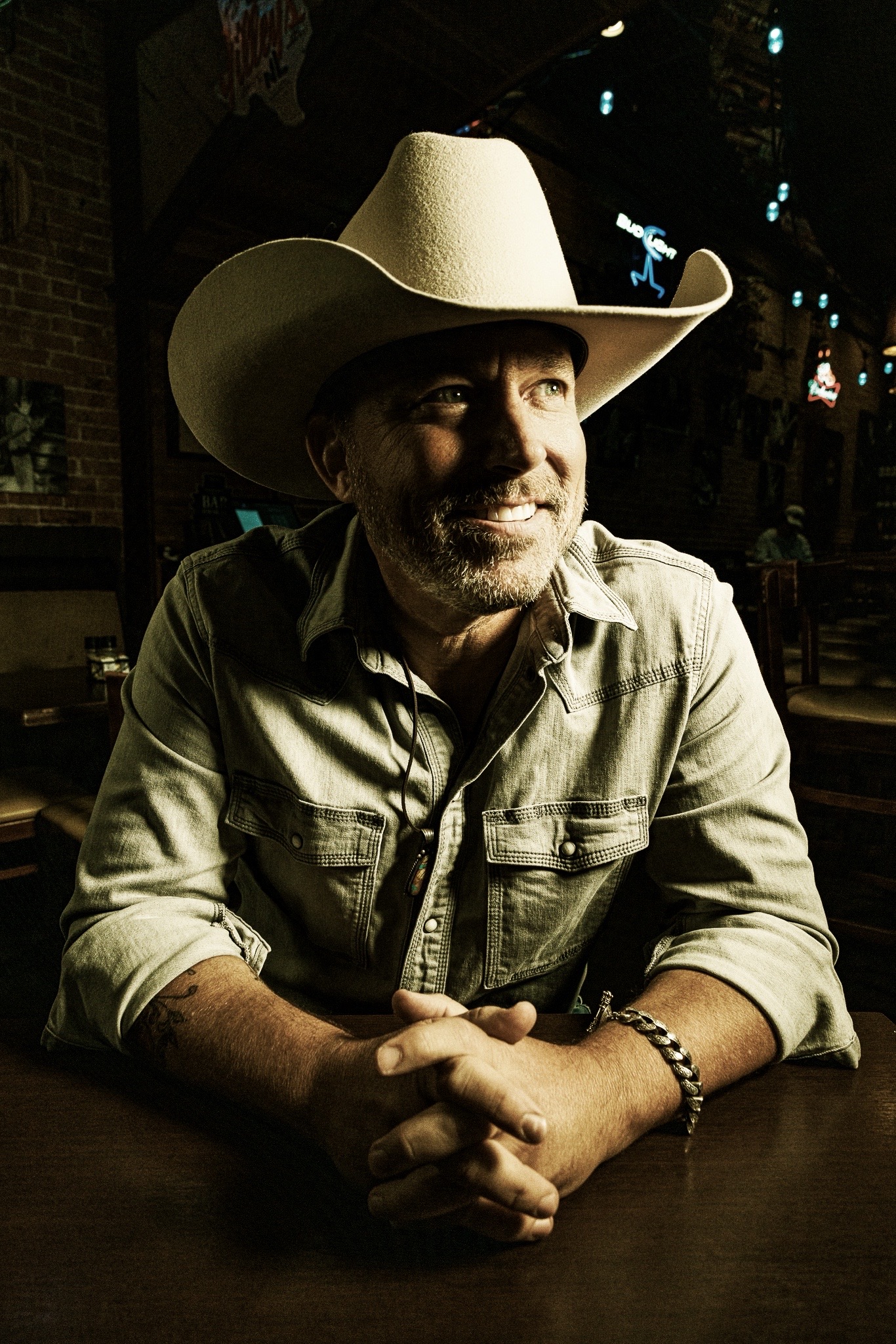
Chad Prather is a fast-talking philosopher in a cowboy hat, blending sharp wit, Southern charm, and bold truth in every message he delivers. A viral sensation known as “The Political Cowboy,” Chad has captivated millions through his no-nonsense videos, top-rated The Chad Prather Show podcast, sold-out comedy tours, and media appearances on Fox News, CNN, and BlazeTV. He’s toured internationally, released hit music albums, authored “Am I Crazy?” and “Born for Meaning.”
Whether he’s tackling politics, culture, or faith, the “Pickup Truck Pundit,” brings a rare mix of humor, heart, and conviction that fires up audiences and challenges them to live boldly. He’s a best-selling author, chart-topping musician, former Texas gubernatorial candidate, and one of America’s most engaging voices for common sense in a world gone sideways.