Living the Life of the Unshakable Kingdom - Hebrews 13
Opening Context
Hebrews 1-12 explains the supremacy of Christ and the new covenant.
Hebrews 13 explains how believers live because of that truth.
The chapter shows what a Christ-centered life looks like in real life.
Big idea: A life shaped by Jesus produces love, courage, faithfulness, worship, and perseverance.
Section 1: The Culture of the Kingdom
(Hebrews 13:1-6)
Let brotherly love continue.
The church functions as a spiritual family.
Practice hospitality toward strangers.
Christian love welcomes and includes outsiders.
Remember those in prison and those who suffer.
Compassion identifies with the suffering of others.
Honor marriage and protect covenant faithfulness.
Sexual integrity strengthens the community.
Reject the love of money.
Cultivate contentment.
Anchor security in God's promise: He will never leave you.
Live with confidence because the Lord is your helper.
Key themes:
Love
Hospitality
Compassion
Purity
Contentment
Confidence in God's presence
Section 2: Faithful Leadership and an Unchanging Christ
(Hebrews 13:7-9)
Remember leaders who taught the Word of God.
Consider the outcome of their lives.
Imitate their faith, not merely their style.
Faith is passed down through spiritual inheritance.
Jesus Christ is the same yesterday, today, and forever.
Christ is the unchanging anchor in a changing world.
Guard against strange or drifting teachings.
Strengthen the heart through grace, not religious performance.
Key themes:
Spiritual legacy
Doctrinal stability
The unchanging nature of Christ
Grace as the foundation of spiritual strength
Section 3: Living Outside the Camp
(Hebrews 13:10-14)
Old covenant sacrifices were burned outside the camp.
Jesus was crucified outside the city gate.
Christ suffered in the place of rejection.
His blood makes people holy.
Believers are called to go to Him outside the camp.
Following Christ may require leaving cultural approval.
Faith sometimes leads to misunderstanding or rejection.
Christians live as pilgrims, not permanent residents.
We seek the city that is to come.
Key themes:
Identification with Christ
Courage in rejection
Eternal perspective
Pilgrim identity
Section 4: The Sacrifices of the New Covenant
(Hebrews 13:15-17)
Through Jesus believers offer sacrifices of praise.
Praise is the fruit of lips that acknowledge His name.
Worship becomes continual, not occasional.
Do good and share with others.
Generosity and kindness are sacrifices pleasing to God.
Christian service becomes an act of worship.
Respect and cooperate with spiritual leadership.
Leaders watch over souls and will give an account.
Healthy communities require trust and unity.
Key themes:
Praise as lifestyle
Generosity as worship
Service as sacrifice
Spiritual accountability
Community health
Section 5: Benediction and Final Encouragement
(Hebrews 13:18-25)
Spiritual leaders depend on the prayers of the community.
The God of peace establishes believers through Christ.
Jesus is the great Shepherd of the sheep.
The blood of the eternal covenant secures salvation.
The resurrection confirms Christ's victory.
God equips believers to do His will.
God works within believers to produce what pleases Him.
The ultimate goal of life is the glory of Christ.
Grace sustains believers to the end.
Key themes:
Prayer
Peace with God
Christ the Shepherd
Transformation by God
Grace sustaining the believer
Core Message of Hebrews 13
Because Jesus is the final sacrifice and eternal Shepherd, believers live lives marked by love, courage, worship, generosity, faithfulness, and perseverance while waiting for the kingdom that is to come.
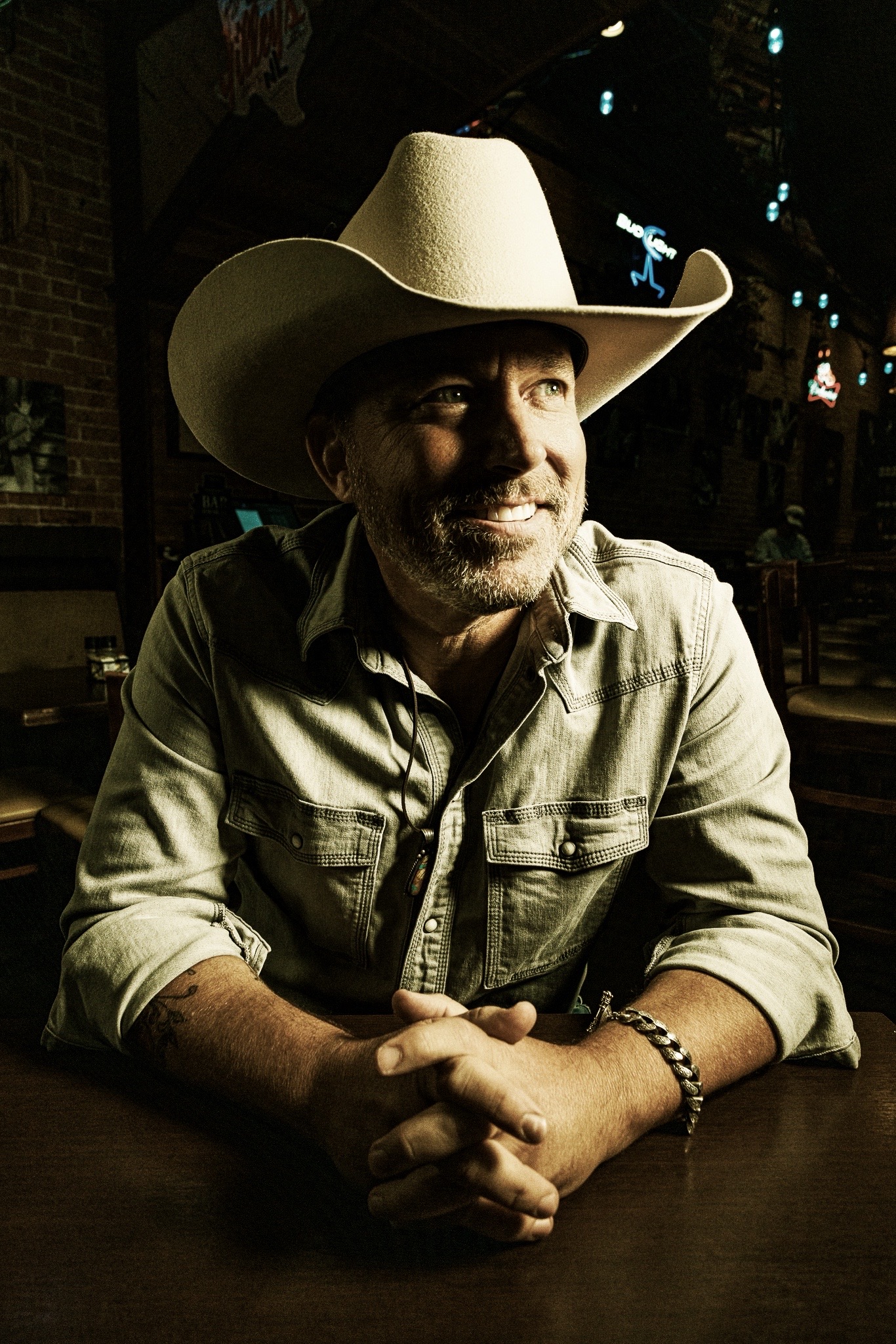
Chad Prather is a fast-talking philosopher in a cowboy hat, blending sharp wit, Southern charm, and bold truth in every message he delivers. A viral sensation known as “The Political Cowboy,” Chad has captivated millions through his no-nonsense videos, top-rated The Chad Prather Show podcast, sold-out comedy tours, and media appearances on Fox News, CNN, and BlazeTV. He’s toured internationally, released hit music albums, authored “Am I Crazy?” and “Born for Meaning.”
Whether he’s tackling politics, culture, or faith, the “Pickup Truck Pundit,” brings a rare mix of humor, heart, and conviction that fires up audiences and challenges them to live boldly. He’s a best-selling author, chart-topping musician, former Texas gubernatorial candidate, and one of America’s most engaging voices for common sense in a world gone sideways.
