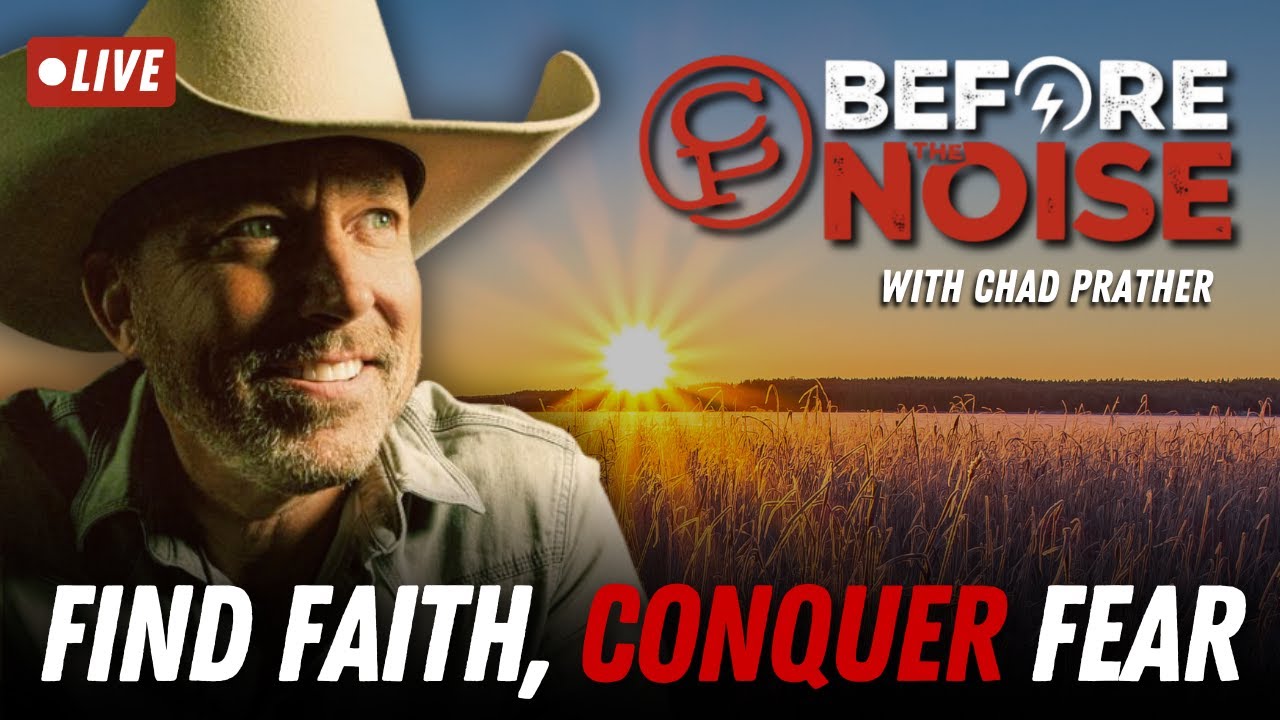
Peace That Walks Through Walls: Finding Faith in a Fearful World (Tuesday 11/11/25)
Teaching Outline – “Peace That Walks Through Walls: Finding Faith in a Fearful World”
(Based on John 20:19–31)
Segment 1 – The Locked Room (John 20:19–23)
Theme: Jesus enters fear and speaks peace.
Disciples are hiding behind locked doors—fear and failure have trapped them.
Jesus appears through the barrier: His presence isn’t limited by fear.
First words: “Peace be with you.” Grace before correction.
He shows His hands and side—proof that healing carries history.
Principle: Peace is not the absence of trouble but the presence of Christ.
Application: Invite Jesus into your locked rooms.
Segment 2 – Locked Rooms of a Modern World
Theme: Fear culture and hidden isolation.
Modern “locked rooms” = anxiety, busyness, social media, self-protection.
We build walls for safety but end up suffocating spiritually.
Fear sells in today’s culture; peace doesn’t trend.
Jesus still walks through modern walls to restore presence.
Principle: Peace is relational, not circumstantial.
Steps to Practice:
Identify your “locked room.”
Acknowledge the fear that built it.
Welcome Christ into it through prayer and honesty.
Let His peace redefine your environment, not escape from it.
Segment 3 – The Scars That Still Speak
Theme: Healing that doesn’t hide its history.
Jesus kept His scars—proof of victory, not shame.
Scars validate identity and testify to redemption.
The world hides pain; heaven redeems it.
Principle: Your scars are not disqualifications—they are divine receipts of grace.
Cultural Connection: We crave authenticity in a filtered world; scars are the new proof of truth.
Steps to Practice:
Reflect on your personal scars (spiritual, emotional, physical).
Write what each one taught you about God’s faithfulness.
Share your story where it might bring healing to someone else.
Segment 4 – Thomas, the Honest Doubter
Theme: Doubt as the doorway to deeper faith.
Thomas isn’t rebellious—he’s real. He wants encounter, not explanation.
Jesus meets Thomas in his honesty, not in perfection.
Doubt can coexist with devotion if it stays in the room long enough for Jesus to appear.
“My Lord and my God” becomes the most powerful confession in the Gospel.
Principle: God isn’t threatened by your questions—He’s revealed through them.
Steps to Practice:
Bring your doubts directly to Christ, not social opinion.
Stay connected to community while you wrestle.
Let your encounter with truth lead to worship, not withdrawal.
Segment 5 – Faith That Breathes
Theme: The Holy Spirit as divine breath and empowerment.
Jesus breathes on the disciples—new creation, new life, new mission.
The Holy Spirit is the breath of heaven restoring what fear took away.
Fear suffocates, faith breathes.
Principle: You can’t live resurrected on yesterday’s breath.
Steps to Practice:
Begin each day breathing prayerfully: “Lord, fill me with Your Spirit.”
Inhale peace, exhale anxiety.
Replace hurry with stillness—hear before you move.
Walk as one sent, not stuck.
Segment 6 – Blessed Are Those Who Believe (John 20:29–31)
Theme: Believing without seeing—faith that sustains.
Jesus blesses the unseen believer—faith rooted in relationship, not evidence.
True faith is trust in motion, not sight in theory.
The modern world worships proof; believers walk by presence.
Principle: Faith that breathes produces life that witnesses.
Steps to Practice:
Choose trust over cynicism.
Keep walking in peace even when visibility fades.
Be a carrier of hope and peace to a fearful generation.
Practical Daily Framework (from all segments):
Invite – Let Jesus walk through your walls.
Reveal – Show your scars instead of hiding them.
Wrestle – Bring doubt honestly to the Lord.
Breathe – Receive the Spirit’s daily renewal.
Believe – Walk by faith, not sight.
Go – Carry peace into your world.
Key Takeaway:
The resurrected Christ still walks through walls, still shows His scars, still breathes His Spirit, and still blesses those who believe.
Faith isn’t seeing to believe—it’s breathing to live.
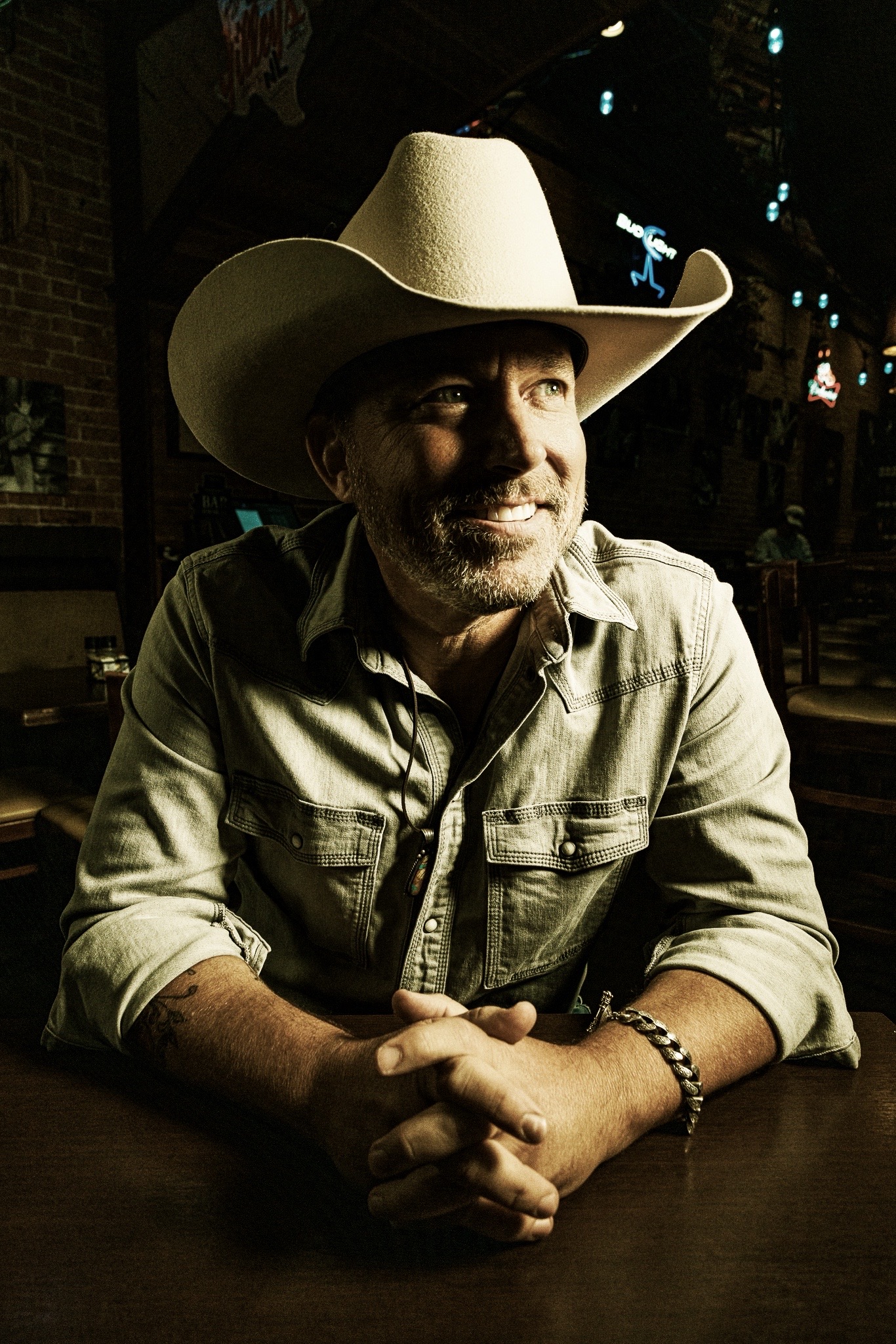
Chad Prather is a fast-talking philosopher in a cowboy hat, blending sharp wit, Southern charm, and bold truth in every message he delivers. A viral sensation known as “The Political Cowboy,” Chad has captivated millions through his no-nonsense videos, top-rated The Chad Prather Show podcast, sold-out comedy tours, and media appearances on Fox News, CNN, and BlazeTV. He’s toured internationally, released hit music albums, authored “Am I Crazy?” and “Born for Meaning.”
Whether he’s tackling politics, culture, or faith, the “Pickup Truck Pundit,” brings a rare mix of humor, heart, and conviction that fires up audiences and challenges them to live boldly. He’s a best-selling author, chart-topping musician, former Texas gubernatorial candidate, and one of America’s most engaging voices for common sense in a world gone sideways.