Power, Motives, and Repentance
1. Segment One
Acts 8:9-25 Teaching Monologue
Context and Setting
Philip preaches Christ in Samaria.
Signs, miracles, deliverances, great joy in the city.
Simon the magician held long standing influence through sorcery.
Simon’s Response to the Gospel
Believes Philip’s message.
Is baptized.
Follows Philip closely, amazed at the miracles.
Outward alignment without inner surrender.
Apostles Arrive
Peter and John pray for believers to receive the Holy Spirit.
The Spirit falls visibly and powerfully.
Simon’s Misunderstanding of the Spirit
Sees the Spirit’s power as transferable ability.
Offers money to buy this authority.
Reveals an old identity still operating beneath new behavior.
Peter’s Rebuke
You thought you could buy the gift of God.
Your heart is not right before God.
You are poisoned by bitterness.
You are bound by iniquity.
Repent so your heart may be healed.
Key Truths
Belief is not surrender.
Revival atmosphere is not repentance.
God examines the heart, not activity.
Grace cannot be bought or manipulated.
Practical Steps
Examine your motives.
Identify old patterns carried into new faith.
Confess instead of negotiate.
Receive the Spirit as gift, not commodity.
Prioritize inner posture over external activity.
Own your repentance.
Embrace exposure as God’s mercy.
**2. Segment Two
The Hidden Battle of Motives**
Core Ideas
Everyone has a Simon inside: ego, ambition, validation seeking.
Motives matter more than outcomes.
God exposes motives to protect and purify.
Biblical Parallels
Saul vs. David.
Judas vs. Peter.
Ananias and Sapphira vs. Barnabas.
Dangers of Misaligned Motives
Using God for identity.
Seeking influence rather than surrender.
Chasing power without purification.
Public ministry masking private corruption.
Truths on Motives
The flesh desires spectacle.
The Spirit desires surrender.
God prioritizes purity over productivity.
Transformation begins where motives are exposed.
Practical Steps
Ask why you want spiritual things.
Let God expose ego driven desires.
Renounce old ambition.
Embrace motive purification as grace.
**3. Segment Three
The Gifted Church vs. the Transformed Church**
Core Distinctions
Gifts vs. fruit.
Power vs. purity.
Performance vs. presence.
Influence vs. intimacy.
Simon’s Mistake
Saw the Spirit as ability, not person.
Wanted transfer, not transformation.
Misinterpreted anointing as a transactional commodity.
The Spirit’s True Work
Primary work: shape disciples into Christlikeness.
Gifts serve the mission; fruit sustains the mission.
Transformation reveals the King more than miracles do.
Biblical Insights
Corinth: full of gifts, lacking maturity.
Jesus: The Spirit will make you witnesses, not performers.
Practical Steps
Pursue holiness over hype.
Seek transformation before platform.
Hold gifts loosely; hold character tightly.
Welcome the Spirit’s internal reshaping.
**4. Segment Four
Repentance That Actually Changes You**
Peter’s Diagnosis of Simon
Heart not right before God.
Poisoned by bitterness.
Bound by iniquity.
Requires repentance, not performance.
Understanding Bitterness
Residue of unhealed wounds.
Distorts spiritual perception.
Fuels wrong motives.
Competes with surrender.
Understanding Iniquity
Old identity patterns persisting.
Habitual sin shaping desires.
Internal bondage limiting external obedience.
The Nature of True Repentance
A turning, not a feeling.
A surrender, not a negotiation.
A reorientation of desire and identity.
A continuous posture, not a single event.
Common Missteps
Outsourcing repentance to others.
Wanting protection from consequences without transformation.
Wanting forgiveness without confession.
Wanting new life without death to old self.
Practical Steps
Confess bitterness honestly.
Renounce old identity patterns.
Invite the Spirit to cleanse and rewire desires.
Practice daily repentance as spiritual rhythm.
Embrace conviction as God’s mercy, not punishment.
**5. Final Movement
Core Takeaways for the Episode**
The Spirit Cannot Be Bought
Anointing flows from surrender, not ambition.
The Spirit Cannot Be Manipulated
He is a person, not a power source.
Motives Must Be Sanctified
God confronts what could destroy us later.
Transformation Is the Spirit’s Goal
Gifts without fruit collapse.
Power without purity corrupts.
Ministry without repentance becomes dangerous.
Repentance Is the Path to Freedom
Bitterness breaks.
Bondage loosens.
The old self dies.
The Spirit fills what is surrendered.
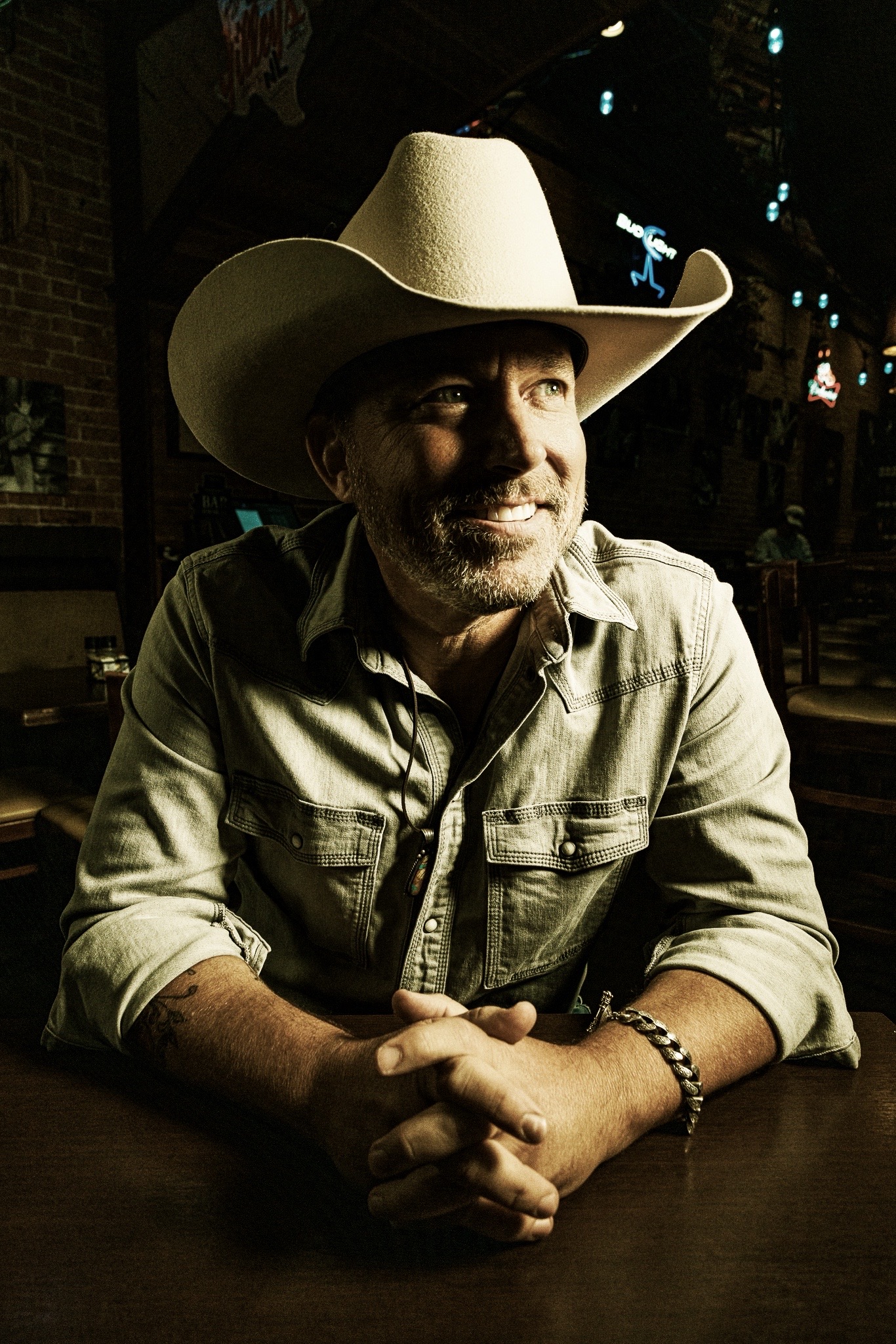
Chad Prather is a fast-talking philosopher in a cowboy hat, blending sharp wit, Southern charm, and bold truth in every message he delivers. A viral sensation known as “The Political Cowboy,” Chad has captivated millions through his no-nonsense videos, top-rated The Chad Prather Show podcast, sold-out comedy tours, and media appearances on Fox News, CNN, and BlazeTV. He’s toured internationally, released hit music albums, authored “Am I Crazy?” and “Born for Meaning.”
Whether he’s tackling politics, culture, or faith, the “Pickup Truck Pundit,” brings a rare mix of humor, heart, and conviction that fires up audiences and challenges them to live boldly. He’s a best-selling author, chart-topping musician, former Texas gubernatorial candidate, and one of America’s most engaging voices for common sense in a world gone sideways.