The Garden of the Risen King (Monday 11/10/25)
I. The Dark Morning of Resurrection (John 20:1–10)
Theme: God often begins His greatest work in the dark.
Mary Magdalene comes to the tomb while it was still dark — grief, confusion, loss.
The stone is rolled away — not so Jesus could leave, but so we could see in.
Peter and John race to the tomb; they see and believe, yet do not fully understand.
Faith begins before full understanding — belief precedes explanation.
Resurrection starts in the tension between what we see and what we trust.
Application Step:
Stay near the last place you saw God move, even when you don’t understand what He’s doing.
II. The Voice That Knows You (John 20:11–16)
Theme: The risen Christ reveals Himself personally — through relationship, not religion.
Mary stays at the tomb when others leave — persistence leads to revelation.
She sees angels at the tomb — a new “mercy seat” where grace has risen.
She mistakes Jesus for the gardener — grief can blind us to God’s presence.
Jesus calls her by name — identity restored through intimacy, not information.
The moment He speaks her name, her despair turns to devotion.
Application Steps:
Stay even when you don’t understand — revelation comes to those who remain.
Listen for His voice — the Shepherd still calls His sheep by name (John 10:3–4).
Let His voice redefine you — grace names you by who you are becoming, not by what you were.
III. The Gardener’s Work (John 20:15, Genesis 2, Revelation 22)
Theme: Jesus is the Gardener of new creation — cultivating life from what looked dead.
The first Adam lost life in a garden; the second Adam restores it in one.
Mary’s “mistake” becomes revelation: He is the Gardener of the soul.
The resurrection is divine gardening — life growing from the soil of death.
God works through slow, sacred processes: sowing, pruning, watering, and blooming.
The difference between burial and planting is expectation — what you call over, He calls growing.
The cross was a seed planted; the resurrection was the harvest.
Application Steps:
Recognize that pruning is preparation, not punishment.
Trust God’s timing — growth often happens beneath the surface.
Let Him tend to the soil of your heart — remove weeds of fear, guilt, and pride.
Embrace your season — every stage (sowing, waiting, blooming) has purpose.
IV. Go and Tell (John 20:17–18; Matthew 28:7–10)
Theme: Resurrection is meant to be proclaimed, not preserved.
Jesus commissions Mary — the first messenger of the risen Christ.
The first word from resurrection lips is “Go.”
The gospel isn’t meant to be admired but announced.
“Go to My brothers” — resurrection changes the relationship: from servants to family.
Mary’s message: “I have seen the Lord.”
Testimony doesn’t require perfection — only encounter.
True witness flows from personal transformation.
Application Steps:
Don’t cling to what was — carry what is.
Share your story honestly — the world needs encounter more than explanation.
Live your testimony — let your life become the sermon.
Tell your world: “I have seen the Lord.”
V. Crescendo Closing: The Garden of the Risen King
Theme: From tomb to testimony — resurrection changes everything.
The dark morning became the dawn of new creation.
The empty tomb revealed the Gardener’s ongoing work.
His voice calls your name, His hands cultivate your heart, His mission sends your feet.
You are not buried — you are planted.
Don’t stay at the tomb. Rise. Run. Tell the world the Gardener is alive.
Final Declaration:
“I have seen the Lord.”
The tomb is empty. The soil is alive. The Gardener is still at work.
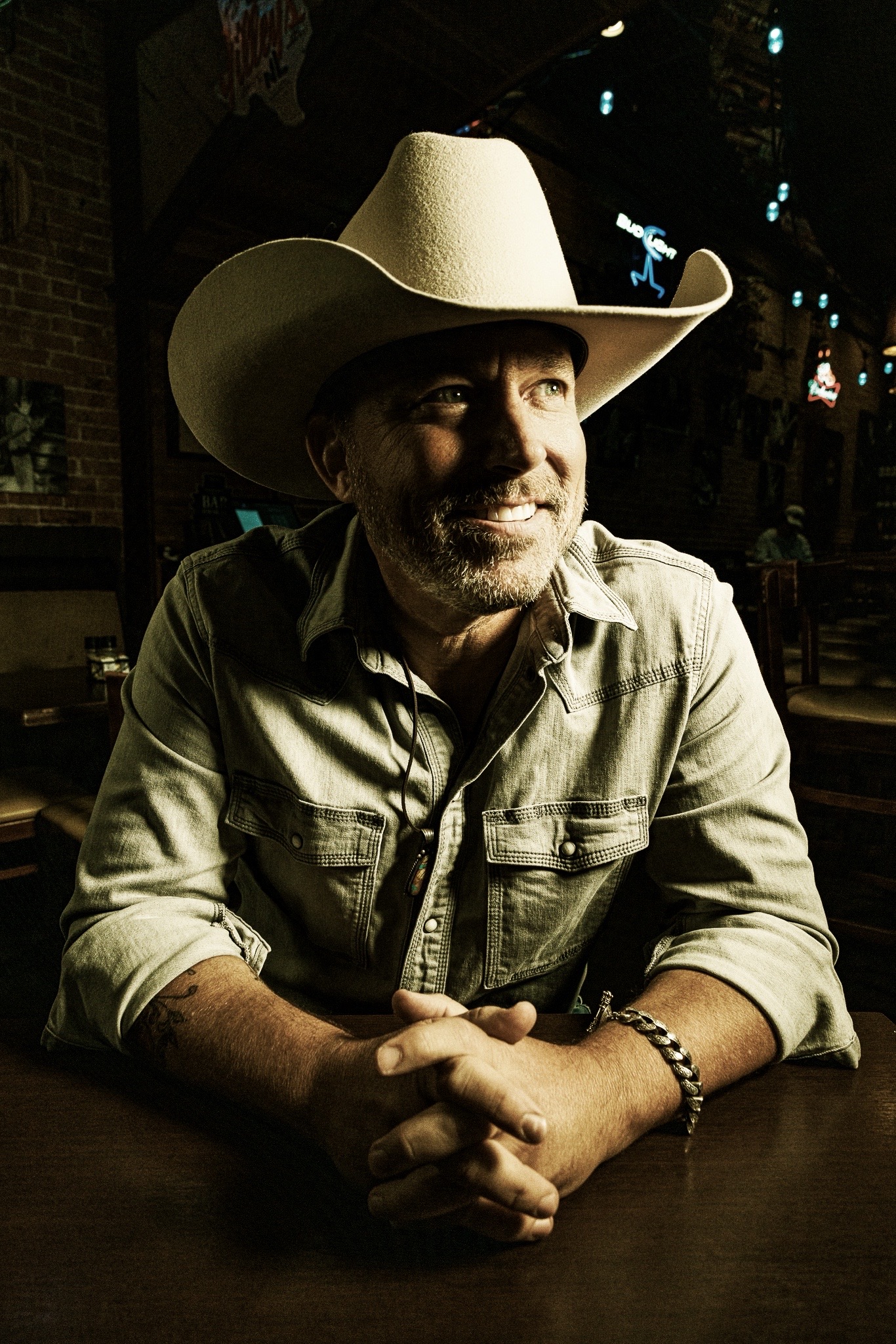
Chad Prather is a fast-talking philosopher in a cowboy hat, blending sharp wit, Southern charm, and bold truth in every message he delivers. A viral sensation known as “The Political Cowboy,” Chad has captivated millions through his no-nonsense videos, top-rated The Chad Prather Show podcast, sold-out comedy tours, and media appearances on Fox News, CNN, and BlazeTV. He’s toured internationally, released hit music albums, authored “Am I Crazy?” and “Born for Meaning.”
Whether he’s tackling politics, culture, or faith, the “Pickup Truck Pundit,” brings a rare mix of humor, heart, and conviction that fires up audiences and challenges them to live boldly. He’s a best-selling author, chart-topping musician, former Texas gubernatorial candidate, and one of America’s most engaging voices for common sense in a world gone sideways.