Turning the World Right Side Up
Preparing the Heart for Acts 17
We live in an age of information overload and clarity shortage
Reactions travel faster than reflection
Noise trains us to respond before we reason
Scripture invites us to slow down and examine truth
Acts 17 shows how the gospel enters noisy, divided cultures
Invitation to self-examination before teaching begins
Key question:
Am I reacting more than I am reasoning
Segment 1
Reasoned Faith in an Emotional Age
Text Focus: Acts 17:2-3
Core Truth:
Faith is not the absence of thinking but the submission of thinking to truth.
Teaching Steps:
Paul reasoned from the Scriptures
Faith engages the mind
Christianity is built on historical events, not emotional experience
Necessary suffering and resurrection
The gospel is not optional or symbolic
Truth demands clarity, not vagueness
Emotional faith vs reasoned faith
Emotional faith collapses under pressure
Reasoned faith remains steady in hostile environments
Cultural contrast
We live in a reacting culture
Outrage replaces discernment
Confidence replaces conviction
Practical Application:
Slow down reactions
Ask what Scripture says, not what feels right
Read Scripture in context, not isolation
Build faith on truth, not tone
Segment 2
When Truth Feels Like Trouble
Text Focus: Acts 17:5-9
Core Truth:
Opposition is often evidence of faithfulness, not failure.
Teaching Steps:
Accusations against Paul and Silas
Truth threatens power structures
Allegiance to Jesus exposes false loyalties
Turning the world upside down
The world was already inverted by sin
The gospel restores proper order
Another King named Jesus
The real offense of the gospel
Competing allegiances create conflict
Practical Application:
Do not measure faithfulness by applause
Remain calm when misunderstood
Guard against bitterness and fear
Know when to stay, speak, or move on
Segment 3
The Berean Standard, Discernment Without Cynicism
Text Focus: Acts 17:10-12
Core Truth:
True discernment balances eagerness and examination.
Teaching Steps:
Why the Bereans were called noble
Character over credentials
Humility toward truth
Eager reception of the Word
Openness without naivety
Curiosity instead of defensiveness
Daily examination of Scripture
Discernment as a discipline
Truth requires consistent engagement
Discernment vs cynicism
Discernment checks
Cynicism dismisses
Practical Application:
Develop a daily Scripture habit
Test teaching against biblical context
Ask whether truth produces humility or pride
Seek clarity, not confirmation
Segment 4
Idols With Ivy League Degrees
Text Focus: Acts 17:16
Core Truth:
Idolatry often hides behind sophistication.
Teaching Steps:
Paul’s spirit was provoked in Athens
Grief, not outrage
Love for people trapped in false worship
Ancient and modern idols
Comfort, identity, power, intellect
Culture disguises worship
Holy discomfort
Discernment begins with grief
Engagement follows conviction
Practical Application:
Identify modern idols shaping your thinking
Examine hidden allegiances
Allow conviction to lead to compassion
Resist normalization of false worship
Segment 5
Faithful Presence in Public Spaces
Text Focus: Acts 17:17
Core Truth:
The gospel advances through consistent, visible faithfulness.
Teaching Steps:
Paul in the synagogue and marketplace
Faith is not private
Presence precedes proclamation
Daily engagement
Faithfulness over flash
Witness over performance
Practical Application:
See everyday spaces as mission fields
Practice courage without confrontation
Represent Christ with clarity and grace
Redemptive Conclusion
Another King Still Changes Everything
The gospel is about allegiance, not information
Jesus suffered, died, and rose again
He invites honest seekers, not perfect thinkers
Faith is surrender, not certainty
Jesus is King
Invitation:
Come and see
Come and trust
Come and follow
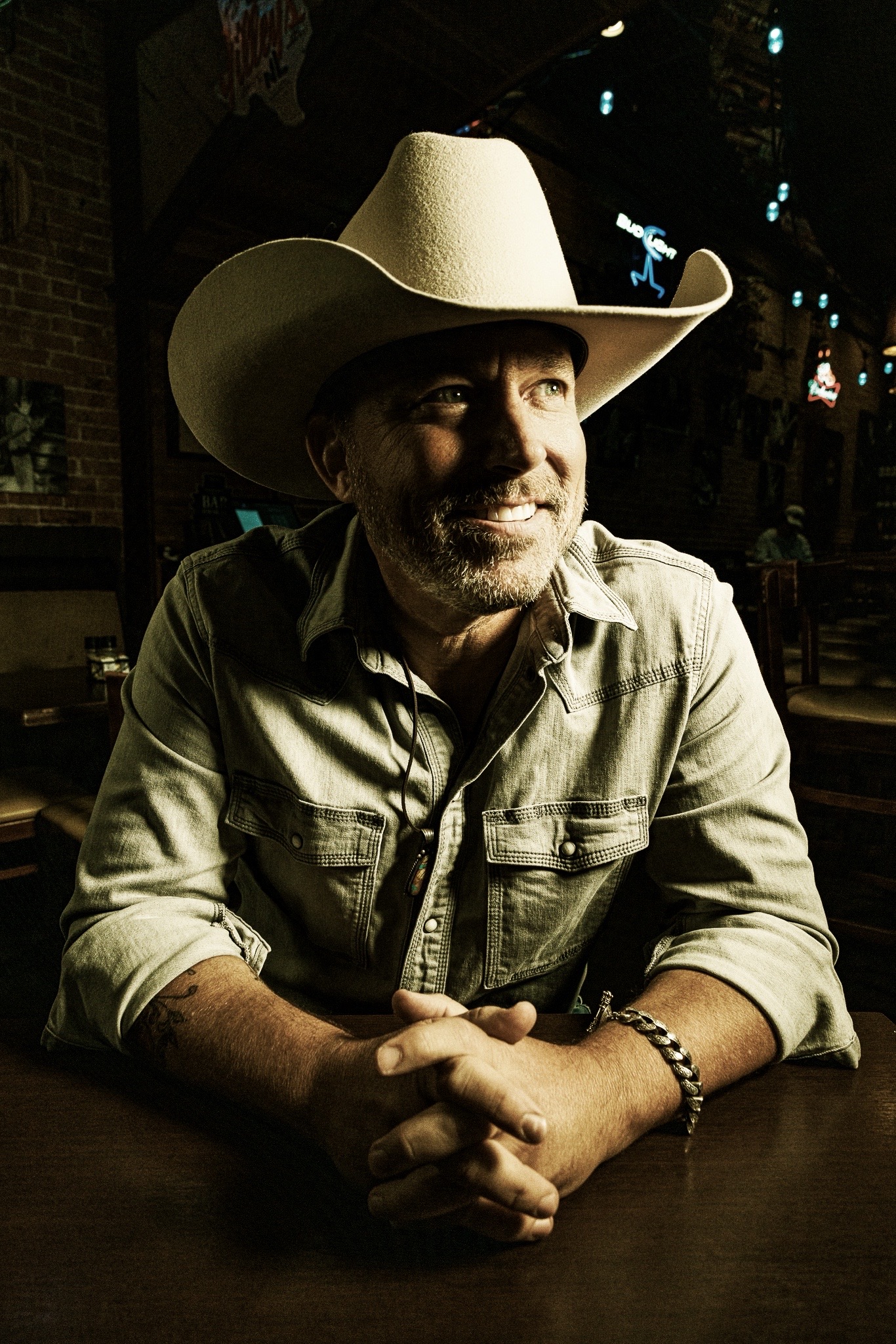
Chad Prather is a fast-talking philosopher in a cowboy hat, blending sharp wit, Southern charm, and bold truth in every message he delivers. A viral sensation known as “The Political Cowboy,” Chad has captivated millions through his no-nonsense videos, top-rated The Chad Prather Show podcast, sold-out comedy tours, and media appearances on Fox News, CNN, and BlazeTV. He’s toured internationally, released hit music albums, authored “Am I Crazy?” and “Born for Meaning.”
Whether he’s tackling politics, culture, or faith, the “Pickup Truck Pundit,” brings a rare mix of humor, heart, and conviction that fires up audiences and challenges them to live boldly. He’s a best-selling author, chart-topping musician, former Texas gubernatorial candidate, and one of America’s most engaging voices for common sense in a world gone sideways.