Walking in the Light - 1 John 1
Opening Hook
- What if your version of Christianity isn’t real?
- It is possible to say the right things and still be out of sync with God
- This chapter draws a line between claimed faith and actual fellowship
Historical Context
- Written by John the Apostle late in the first century (approx. 85 to 95 AD)
- Addressing internal confusion, not just external pressure
- False teachers distorting:
- The identity of Jesus
- The seriousness of sin
- The connection between belief and behavior
- Early influence of Gnosticism:
- Denied Jesus’ physical reality
- Separated spiritual life from moral living
- Purpose: Re-anchor the church in truth, reality, and authentic faith
Big Idea
- Real fellowship with God requires walking in the light
- You cannot live in denial and experience real cleansing
Segment 1: The Reality of the Gospel (1 John 1:1–4)
Core Truth: Christianity is rooted in a real, experienced Christ
- Eyewitness language: heard, seen, touched
- Jesus is not an idea, He is a person
- Eternal life is revealed, not imagined
- Fellowship is the goal, not just knowledge
Key Points:
- Faith is not secondhand, it must become personal
- The gospel invites you into relationship, not just belief
- Full joy is tied to real fellowship with God
Application Steps:
- Examine if your faith is personal or inherited
- Move from knowing about Jesus to knowing Him
- Pursue real relationship, not just information
Segment 2: The Nature of God (1 John 1:5)
Core Truth: God is pure light with no mixture
- God is completely holy and unchanging
- Light reveals, exposes, and defines reality
- Truth is not negotiable or adjustable
Key Points:
- God does not conform to culture or preference
- Walking with God requires stepping into truth
- Exposure is part of transformation
Application Steps:
- Identify areas where you are resisting truth
- Stop redefining what God has already defined
- Choose submission over self-justification
Segment 3: The Test of Fellowship (1 John 1:6–7)
Core Truth: Your walk reveals your reality
- “If we say… but walk…” exposes false claims
- Walking = direction and pattern of life
- Darkness = hidden, protected, unconfessed sin
- Light = honesty, openness, alignment
Key Points:
- Christianity is not proven by words but by direction
- Walking in the light does not mean perfection
- Fellowship and cleansing happen in the light
Application Steps:
- Evaluate the direction of your life, not just your words
- Bring hidden areas into the light
- Pursue alignment over appearance
Segment 4: The Path to Cleansing (1 John 1:8–10)
Core Truth: Confession leads to forgiveness and cleansing
- Denial = self-deception
- Confession = agreeing with God about sin
- God is faithful and just to forgive
- Cleansing follows honesty
Key Points:
- Minimizing sin blocks transformation
- God’s forgiveness is secured through Christ
- You cannot be cleansed from what you conceal
Application Steps:
- Stop excusing and start confessing
- Practice specific, honest repentance
- Trust God’s faithfulness to forgive and cleanse
Closing Landing
- The gospel is real
- God is pure light
- Your life reveals your walk
- Confession restores fellowship
Final Challenge
- Stop managing appearances
- Step fully into the light
- Live in honesty, not denial
Final Question
- Are you walking in the light… or just claiming that you are?
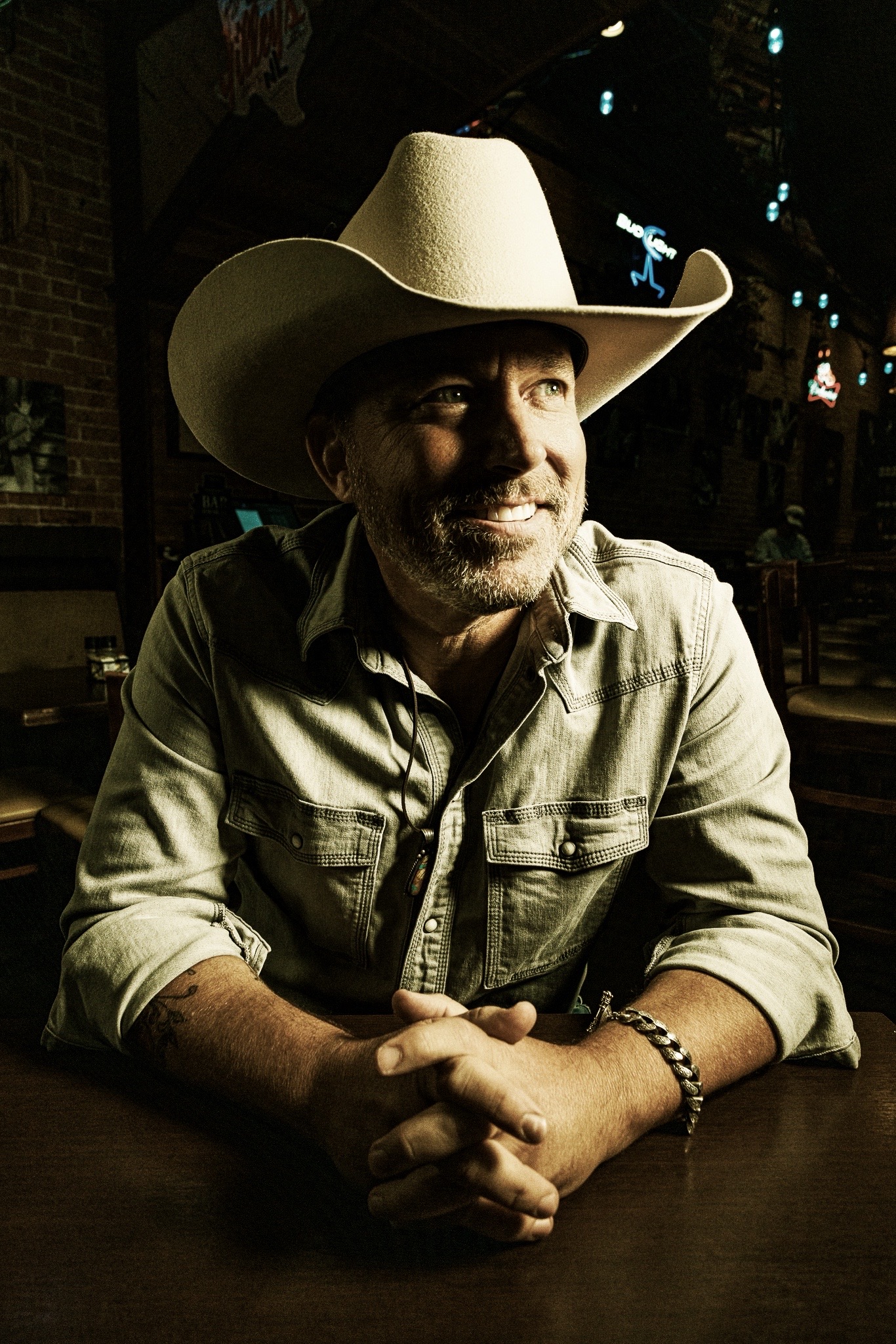
Chad Prather is a fast-talking philosopher in a cowboy hat, blending sharp wit, Southern charm, and bold truth in every message he delivers. A viral sensation known as “The Political Cowboy,” Chad has captivated millions through his no-nonsense videos, top-rated The Chad Prather Show podcast, sold-out comedy tours, and media appearances on Fox News, CNN, and BlazeTV. He’s toured internationally, released hit music albums, authored “Am I Crazy?” and “Born for Meaning.”
Whether he’s tackling politics, culture, or faith, the “Pickup Truck Pundit,” brings a rare mix of humor, heart, and conviction that fires up audiences and challenges them to live boldly. He’s a best-selling author, chart-topping musician, former Texas gubernatorial candidate, and one of America’s most engaging voices for common sense in a world gone sideways.
