Once for All: How Jesus Opened the Way to God - Hebrews 9
Opening Frame
-
Hebrews explains why Jesus is greater than the Old Covenant system
-
The tabernacle was a symbolic system pointing forward to Christ
-
The chapter answers one central question:
-
How can sinful people gain access to a holy God?
-
Section 1 - The Earthly Tabernacle (Hebrews 9:1-5)
The Structure
-
The first covenant had regulations for worship
-
The tabernacle was an earthly sanctuary
Three Sections
-
Outer Court
-
Altar of burnt offering
-
Bronze basin
-
-
Holy Place
-
Lampstand
-
Table of showbread
-
Altar of incense
-
-
Most Holy Place
-
Ark of the Covenant
-
Mercy Seat
-
Cherubim
-
Objects Inside the Ark
-
Jar of manna
-
Aaron's rod that budded
-
Stone tablets of the covenant
Teaching Truth
-
The tabernacle structure communicated distance from God
-
The deeper you went, the fewer people could enter
Principle
-
God is holy
-
Sin restricts access
Section 2 - The Limitations of the Old System (Hebrews 9:6-10)
Priestly Activity
-
Priests entered the Holy Place daily
-
Ministry was constant
High Priest Access
-
Only the high priest entered the Most Holy Place
-
Only once a year
-
Only with blood
-
Offered sacrifice for:
-
Himself
-
The people
-
Meaning of the System
-
The Holy Spirit was showing that full access to God was not yet open
Limitations
-
Rituals could not cleanse the conscience
-
Sacrifices dealt with external purification only
Conclusion
-
The system was temporary
-
It pointed toward a coming new order
Section 3 - Christ the Greater High Priest (Hebrews 9:11-14)
The Turning Point
-
"But when Christ came"
Christ's Ministry
-
High Priest of the good things now here
-
Entered the greater and more perfect tabernacle
-
Not made with human hands
Location
-
Jesus entered heaven itself
The Sacrifice
-
Not the blood of goats or calves
-
His own blood
Result
-
Entered once for all
-
Obtained eternal redemption
Old Covenant
-
External cleansing
Christ's Work
-
Cleanses the conscience
Purpose
-
To serve the living God
Self-Diagnosis Questions
-
What dead works still exist in my life?
-
Am I serving God or maintaining religious habits?
-
Is my conscience clean before God?
-
What sins have I normalized?
-
What would I not want brought into the light?
Section 4 - Christ the Mediator of the New Covenant (Hebrews 9:15-22)
Jesus the Mediator
-
Mediator between God and humanity
-
Provides the sacrifice that reconciles us
Result
-
Believers receive an eternal inheritance
Illustration
-
A covenant functions like a will
-
A will takes effect after death
Conclusion
-
Christ's death activates the promises of the New Covenant
Old Covenant Pattern
-
Covenants ratified with blood
-
Moses sprinkled:
-
The scroll
-
The people
-
The tabernacle
-
Principle
-
Without the shedding of blood there is no forgiveness
Section 5 - The Final Sacrifice of Christ (Hebrews 9:23-28)
Earthly System
-
Copies purified with animal sacrifices
Christ's Work
-
Entered heaven itself
-
Appears in God's presence for us
Contrast
Old Covenant
-
Repeated sacrifices
-
Yearly Day of Atonement
Christ
-
One sacrifice
-
Once for all
Historical Moment
-
Christ appeared at the culmination of the ages
Result
-
Sin dealt with decisively
Human Reality
-
People die once
-
Judgment follows
Future Hope
-
Christ will appear a second time
-
Not to deal with sin
-
To bring salvation to those waiting for Him
Core Gospel Summary
Old Covenant
-
Restricted access
-
Repeated sacrifices
-
External cleansing
-
Sin not removed
Christ
-
Open access to God
-
Once-for-all sacrifice
-
Cleansed conscience
-
Eternal redemption
Closing Application
Because of Christ:
-
The veil is torn
-
Access to God is open
-
The conscience can be clean
-
Believers can serve the living God
-
Salvation will be completed when Christ returns
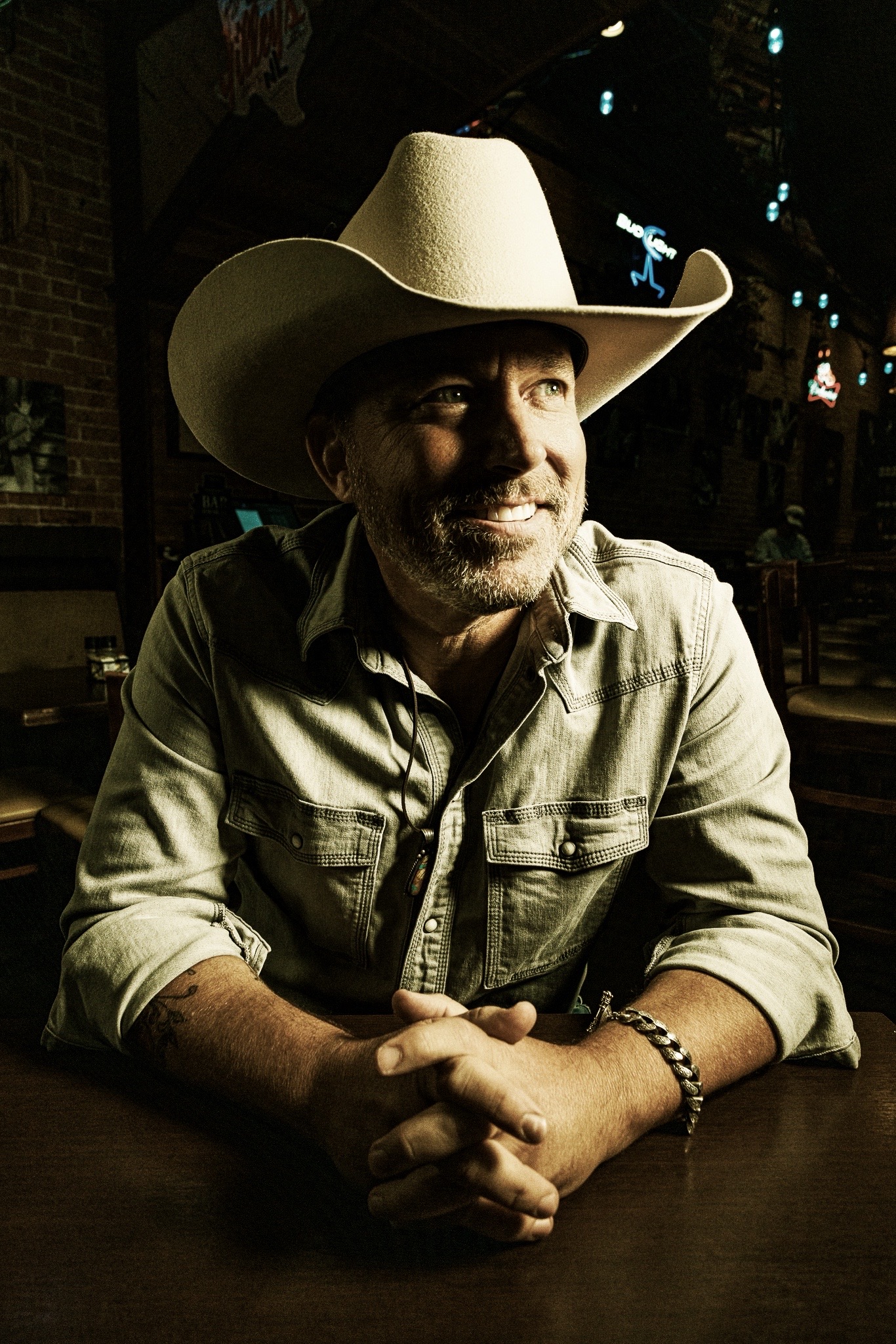
Chad Prather is a fast-talking philosopher in a cowboy hat, blending sharp wit, Southern charm, and bold truth in every message he delivers. A viral sensation known as “The Political Cowboy,” Chad has captivated millions through his no-nonsense videos, top-rated The Chad Prather Show podcast, sold-out comedy tours, and media appearances on Fox News, CNN, and BlazeTV. He’s toured internationally, released hit music albums, authored “Am I Crazy?” and “Born for Meaning.”
Whether he’s tackling politics, culture, or faith, the “Pickup Truck Pundit,” brings a rare mix of humor, heart, and conviction that fires up audiences and challenges them to live boldly. He’s a best-selling author, chart-topping musician, former Texas gubernatorial candidate, and one of America’s most engaging voices for common sense in a world gone sideways.