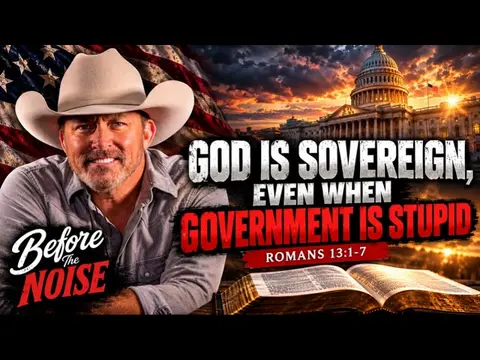
Under Authority, But Under God - Romans 13:1-7
Romans 13:1-7 Teaching Outline
"Under Authority, But Under God"
1. Start With the Context
- Romans 12:19-21 leads directly into Romans 13.
- Christians are forbidden from personal vengeance.
- "Do not be overcome by evil, but overcome evil with good."
- Romans 13 explains the role of governing authority in maintaining public order and justice.
- Paul is writing to Christians living under pagan Rome, not a Christian government.
2. Recognize Legitimate Authority, Romans 13:1
- "Let every person be subject to the governing authorities."
- Greek: hypotasso, to order oneself under.
- Submission and obedience are related, but not identical.
- Submission recognizes legitimate authority.
- Obedience follows the commands of authority.
- Christianity rejects a rebellious spirit toward authority.
3. Understand Where Authority Comes From
- "There is no authority except from God."
- Romans 13 begins with theology, not politics.
- God possesses ultimate authority.
- Human authority is delegated authority.
- No ruler possesses autonomous or absolute authority.
- Above every earthly throne stands the throne of God.
4. Distinguish God's Sovereignty From God's Approval
- God establishing authority does not mean God approves everything authorities do.
- Pharaoh had authority, God judged Pharaoh.
- Nebuchadnezzar had authority, God humbled Nebuchadnezzar.
- Herod had authority, God judged Herod.
- Pilate had authority, Jesus reminded him that it came "from above" (John 19:11).
- Authority that comes from God remains accountable to God.
5. Understand Government's God-Given Assignment, Romans 13:3-4
- Government is called God's "servant," diakonos.
- Restrain evil.
- Protect what is good.
- Administer justice.
- Preserve social order.
- Government does not create morality.
- God defines good and evil.
- Government is a servant, not the Master.
6. Distinguish Personal Revenge From Public Justice
- Romans 12:19: "Never avenge yourselves."
- Romans 13:4: Government "does not bear the sword in vain."
- Individuals are forbidden from personal vengeance.
- Legitimate government has authority to administer public justice.
- Justice requires consequences for wrongdoing.
7. Remember Human Depravity
- Government is necessary partly because humanity is fallen.
- Fallen people require restraint and accountability.
- But the people governing are fallen too.
- Therefore, both citizens and rulers require accountability.
- Avoid two extremes:
- Anarchy: "Nobody has authority over me."
- Idolatry: "Government should have unlimited authority."
- Biblical Christianity embraces neither.
8. Establish the Limits of Government Authority
- Governmental authority is real, but it is not ultimate.
- Scripture interprets Scripture.
- Exodus 1:17: Hebrew midwives disobey Pharaoh.
- Daniel 3: Shadrach, Meshach, and Abednego refuse to bow.
- Daniel 6: Daniel continues praying.
- Acts 4:18-20: Peter and John refuse to stop preaching.
- Acts 5:29: "We must obey God rather than men."
9. Understand Biblical Civil Disobedience
- Biblical resistance is not rooted in "Nobody tells me what to do."
- It is rooted in "God has already told me what to do."
- When government commands what God forbids, obey God.
- When government forbids what God commands, obey God.
- Christian resistance recognizes a higher authority rather than rejecting authority altogether.
- Resistance should remain rooted in conviction, not hatred.
10. Be Willing to Accept the Cost of Conviction
- The Hebrew midwives risked Pharaoh's wrath.
- Shadrach, Meshach, and Abednego faced the furnace.
- Daniel faced the lions' den.
- The apostles faced imprisonment and beatings.
- Biblical courage does not require freedom from consequences.
- "I cannot obey this command because my conscience belongs to God."
- Faithfulness cannot depend upon convenience.
11. Move From Compliance to Conscience, Romans 13:5
- Paul gives two motivations for submission:
- Fear of consequences.
- Conscience before God.
- Compliance asks: "What can I get away with?"
- Character asks: "What is right before God?"
- Christian integrity exists even when nobody is watching.
- Romans 13 is ultimately about discipleship, not merely politics.
12. Pay What You Owe, Romans 13:6-7
- Paul specifically mentions taxes.
- Christians in Rome were paying taxes to a pagan empire.
- Jesus: "Render to Caesar the things that are Caesar's."
- Romans 13:7 identifies:
- Taxes.
- Revenue.
- Respect.
- Honor.
- Christians should fulfill legitimate civic obligations.
13. Understand Caesar's Limit
- Matthew 22:21: Caesar's image is on the coin.
- Genesis 1:27: God's image is on humanity.
- Caesar can receive what legitimately belongs to Caesar.
- God receives what belongs to God.
- Government cannot possess:
- Worship.
- Ultimate allegiance.
- The believer's conscience.
- The authority to redefine God.
- The role of Savior.
14. Refuse Political Idolatry
- Political idolatry can happen with governments we oppose or governments we support.
- Every ruler is temporary.
- Every administration is temporary.
- Every empire is temporary.
- Every nation is temporary.
- God's kingdom is eternal.
- Psalm 146:3: "Put not your trust in princes."
- Rulers may have legitimate responsibilities, but they make terrible messiahs.
- Government cannot forgive sin, regenerate hearts, raise the dead, or provide eternal life.
- Only Christ saves.
15. Practice Honor Without Confusing It With Agreement, Romans 13:7
- Honor is not necessarily approval.
- Respect is not agreement.
- Submission is not worship.
- Disagreement is not automatically rebellion.
- Christians can:
- Respect an office while challenging an action.
- Oppose injustice without becoming unjust.
- Tell the truth without becoming cruel.
- Stand firmly without becoming arrogant.
- Refuse sinful commands without developing a rebellious spirit.
16. Ask: "Has Politics Discipled Me More Than Jesus?"
- Romans 13 follows Romans 12.
- Bless those who persecute you.
- Live in harmony.
- Do not be arrogant.
- Repay no one evil for evil.
- Never avenge yourself.
- Feed your enemy.
- Overcome evil with good.
- Our political behavior cannot contradict our Christian character.
17. Hold the Biblical Tension
- Honor authority because God establishes order.
- Question absolute claims to authority because only God is absolute.
- Obey legitimate authority because conscience matters.
- Refuse commands that require disobedience to God.
- Pay what you owe.
- Show proper respect.
- Pursue peace.
- Bow to Christ alone.
18. Connect Romans 13:7 to Romans 13:8
- Verse 7: Pay what you owe.
- Verse 8: "Owe no one anything, except to love each other."
- Taxes can be paid.
- Bills can be settled.
- Civic obligations can be fulfilled.
- The Christian's debt of love is never finished.
19. Bring Everything Back to Allegiance
- How do I relate to authority? Through allegiance to God.
- How do I respond to unjust authority? Through allegiance to God.
- How do I treat political opponents? Through allegiance to God.
- How do I respond when obedience becomes costly? Through allegiance to God.
- The ultimate question is not: "Do I trust government?"
- The ultimate question is: "Do I trust God?"
20. Closing Truth
- Governments change.
- Rulers change.
- Laws change.
- Nations rise and fall.
- Jesus Christ remains the same.
- Be courageous without being consumed.
- Resist evil without becoming evil.
- Honor authority without worshiping authority.
- Submit without surrendering conscience.
- Disagree without hatred.
- Accept consequences without abandoning conviction.
- Every earthly authority is real, but temporary.
- Every earthly throne sits beneath a higher throne.
- Caesar may deserve honor, but only Jesus deserves worship.
- Jesus is Lord, and every other authority answers to Him.

Chad Prather is a fast-talking philosopher in a cowboy hat, blending sharp wit, Southern charm, and bold truth in every message he delivers. A viral sensation known as “The Political Cowboy,” Chad has captivated millions through his no-nonsense videos, top-rated The Chad Prather Show podcast, sold-out comedy tours, and media appearances on Fox News, CNN, and BlazeTV. He’s toured internationally, released hit music albums, authored “Am I Crazy?” and “Born for Meaning.”
Whether he’s tackling politics, culture, or faith, the “Pickup Truck Pundit,” brings a rare mix of humor, heart, and conviction that fires up audiences and challenges them to live boldly. He’s a best-selling author, chart-topping musician, former Texas gubernatorial candidate, and one of America’s most engaging voices for common sense in a world gone sideways.